



Industry Insights
2026 Disposable Vape Trends: Which Devices Can Ship, and Where

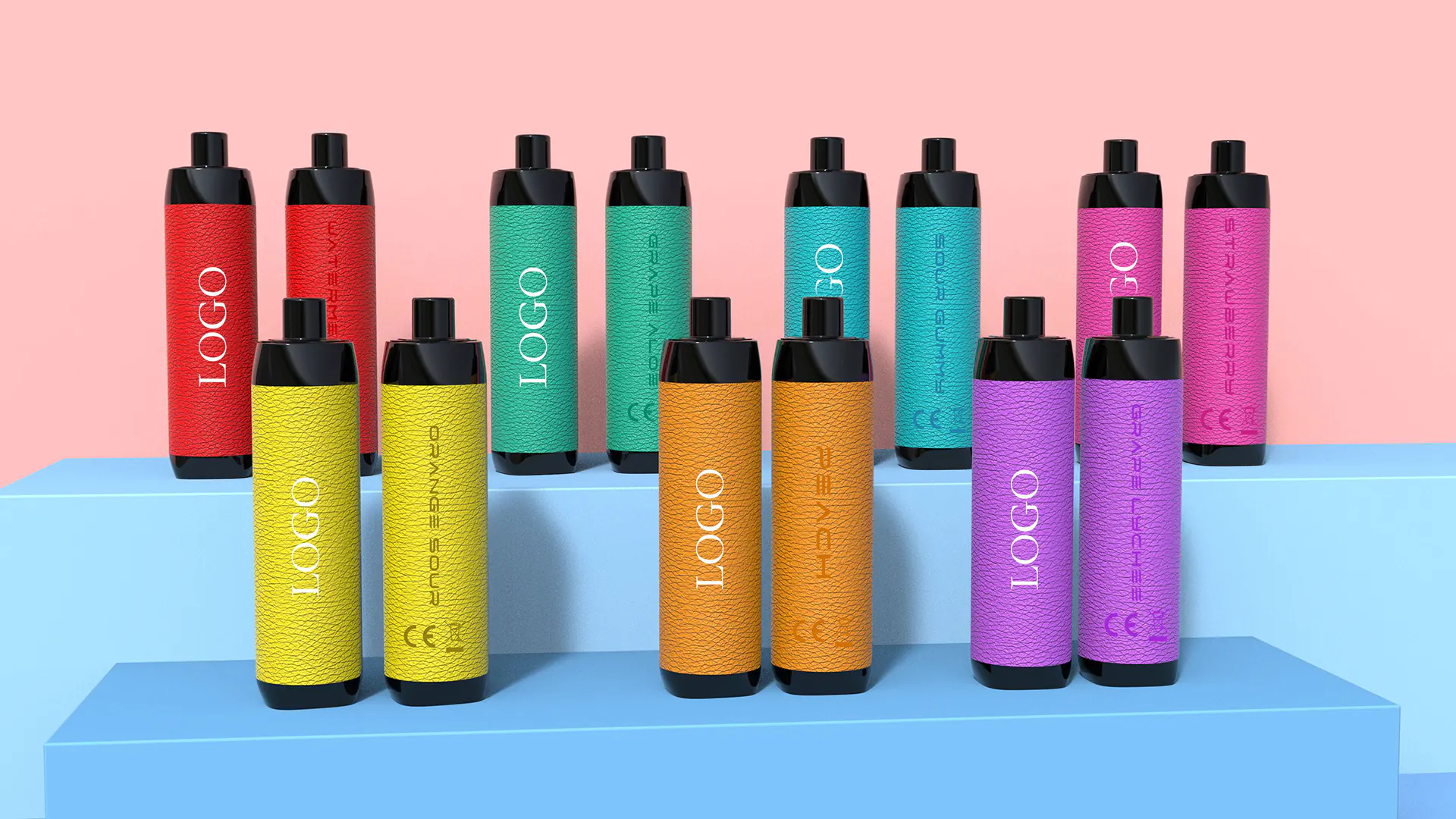

The disposable vape category no longer moves as one global market. In 2026, the United States follows an authorization-based route, the United Kingdom and New Zealand prohibit single-use devices, the European Union combines Article 20 rules with national restrictions, and several Asian and Gulf markets require their own certification, registration, or excise process.
This changes how an importer should select hardware. Capacity, nicotine strength, pod structure, battery design, packaging, and documentation must be defined for the destination country before artwork or production begins. A device that fits one market may require a different architecture, or may not have a workable route into another.
Global Vape Market Routes at a Glance
| Market | Primary regulatory route | Product direction to review |
|---|---|---|
| European Union | TPD Article 20 plus member-state notification and national restrictions | 2ml formats, refillable systems, replaceable-pod systems, and country-specific disposable review |
| United Kingdom | Single-use ban, TRPR product rules, MHRA notification, and vaping duty requirements | Rechargeable devices with refillable tanks or replaceable pods and coils |
| United States | FDA marketing authorization, federal import requirements, and state rules | Only products covered by a valid US regulatory route |
| Canada | Federal product rules, reporting, bilingual packaging, excise stamps, and provincial controls | Products configured to the federal nicotine limit and the destination province |
| United Arab Emirates | UAE.S 5030, conformity assessment, product documentation, and excise registration | Configuration confirmed with the UAE importer before sampling |
| Saudi Arabia | Saudi product, customs, and excise requirements | A Saudi-specific file rather than a general GCC configuration |
| Malaysia | Act 852 registration, packaging, labelling, and sales controls | Configuration reviewed against the current implementation stage |
| Philippines | Mandatory product certification, technical standards, packaging, and excise requirements | Certified device and e-liquid combinations supported by a local importer |
| Indonesia | Product classification, excise treatment, customs, and local market requirements | Open or closed systems defined before the tax and packaging file is prepared |
| New Zealand | Disposable-device ban, product notification, packaging, and retail restrictions | Rechargeable refillable or replaceable-pod systems |
| Australia | Therapeutic and pharmacy supply route | Not an ordinary consumer-vape wholesale market |
| Brazil and India | Commercial prohibition | No standard commercial OEM launch route |
This table is a starting point, not a substitute for a country-level review. Rules can also differ by product type, nicotine status, province, state, or filing party.
European Union: One Framework, Different National Outcomes
Article 20 of the Tobacco Products Directive sets the main EU framework for consumer e-cigarettes. It covers nicotine limits, cartridge and tank volume, refill containers, product information, packaging, safety, and notification. Manufacturers and importers must submit product information through the EU Common Entry Gate before placing a new or substantially modified product on a member-state market.
The TPD framework does not mean every EU country accepts the same product category. Belgium and France prohibit defined single-use products, and the European Commission’s list of national measures now includes additional disposable-product measures from several member states. Check the scope and effective date for the exact destination country. Review the European Commission’s Article 20 overview and its list of national product prohibitions before selecting the architecture.
Product Direction for EU Projects
- Start from a 2ml product structure where Article 20 applies.
- Check whether the destination country accepts the selected disposable format.
- Consider refillable or replaceable-pod systems where national rules are moving away from single-use devices.
- Confirm nicotine, packaging language, warning, notification, WEEE, battery, and packaging responsibilities by country.
- Review how the EU Batteries Regulation applies to the battery and housing design of products planned for sale after February 2027.
For a wider review of notification and producer-responsibility planning, see our EU and UK vape compliance guide.
United Kingdom: Reusable Architecture Comes First
The United Kingdom prohibited the sale and supply of single-use vapes on 1 June 2025. A reusable device must have a rechargeable battery and a refillable container. The container may be filled by the user or replaced through a separately available pod or cartridge. A coil must also be removable and replaceable where the device contains one. The ban covers nicotine and nicotine-free products.
Reusable products must still meet the UK product rules. MHRA guidance limits tanks to 2ml and nicotine-containing refill containers to 10ml, with a maximum nicotine strength of 20mg/ml. Products must be notified before sale. Great Britain uses the domestic submission system, while Northern Ireland continues to use EU-CEG. The UK will also introduce Vaping Products Duty and duty stamps on 1 October 2026. Review the single-use vape guidance and the MHRA product rules before approving samples.
Product Direction for UK Projects
- Rechargeable replaceable-pod systems
- Rechargeable open-fill or refillable pod kits
- Separately available replacement pods and coils
- 2ml product structures supported by the required product information
- Packaging planned around notification and duty-stamp requirements
Browse the GG-VAPE replaceable-pod systems and refillable and open-system range when defining a reusable UK program.
United States: Authorization Comes Before Hardware Selection
The United States is not a normal private-label market for a new off-the-shelf vape. FDA states that a new tobacco product must receive a written marketing order before it can be legally marketed in the United States. Importing a product successfully does not replace this requirement, and a hardware model sold elsewhere does not gain US authorization because it has CE, RoHS, MSDS, or another international document.
A serious US inquiry should identify the marketing authorization that covers the exact device and consumable configuration. Changes to the device, pod, e-liquid, nicotine source, formulation, branding, or packaging may affect the regulatory position and require specialist review. State and local rules add another layer after the federal route is established. Confirm the product against the FDA’s authorized e-cigarette database before treating it as a commercial US program.
What a US Buyer Should Provide
- The existing FDA marketing order or defined PMTA strategy
- The exact authorized device and consumable configuration
- The US importer and regulatory contact
- The states where the product will be distributed
- A list of proposed changes to hardware, formulation, branding, and packaging
GG-VAPE can review manufacturing requirements and provide available product and e-liquid information. The buyer and its US regulatory team must determine whether the proposed configuration has a lawful route to market.
Canada: Federal Rules Plus Provincial Controls
Canada permits regulated vaping products, but a buyer must plan more than the device. Federal rules set a maximum nicotine concentration of 20mg/ml and cover labelling, child-resistant packaging, promotion, ingredients reporting, and product safety. Manufacturers and importers also have reporting duties.
Packaged vaping products entering the duty-paid Canadian market require the appropriate excise stamp. The importer must plan stamp handling, packaging space, duty status, and the destination province before printing begins. Provincial rules can add flavour, retail, distribution, and tax restrictions, so “Canada” alone is not a complete market specification. See Health Canada’s product rules and the Canada Revenue Agency’s excise guidance.
Product Direction for Canadian Projects
- Configure nicotine to the federal limit.
- Prepare English and French packaging content.
- Confirm child-resistant packaging requirements.
- Reserve packaging space for the correct excise stamp.
- Check the destination province before confirming flavours and distribution.
United Arab Emirates: Conformity and Excise Are Part of the Product
The UAE regulates electronic nicotine products under the mandatory UAE.S 5030 standard. Products subject to UAE technical regulations require a conformity route supported by documents such as an accredited test report and a valid local trade licence. Electronic smoking devices and their liquids also fall within the UAE excise system.
A buyer should not select a device only by capacity or puff claim and ask about registration after production. The UAE importer should first confirm the applicable conformity route, registered product configuration, e-liquid limits, packaging, tax treatment, and documents required for the exact model. Review the UAE.S 5030 overview and the Federal Tax Authority guidance.
Saudi Arabia: Do Not Reuse a UAE File
Saudi Arabia and the UAE are both Gulf markets, but they are not one regulatory destination. Saudi authorities classify electronic smoking devices and liquids as excise goods, including nicotine-free liquid and devices without nicotine or tobacco.
The Saudi importer must confirm the product standard, registration or conformity route, Arabic packaging, customs classification, excise treatment, and any required tax marks. A UAE certificate or packaging file should not be treated as automatic approval for Saudi Arabia. The starting point is the exact destination country and importer, not the broader term “GCC.” See the Saudi ZATCA excise classification.
Malaysia: Registration and Product Format Are Moving Together
Malaysia regulates vaping products under the Control of Smoking Products for Public Health Act 2024, known as Act 852, together with supporting registration, packaging, labelling, and sales regulations. Implementation has been staged, which makes the intended launch date part of the product specification.
Before selecting hardware, the Malaysian importer should confirm whether the device, cartridge, and e-liquid require separate registration or certification, the current nicotine and volume requirements, permitted packaging, and any state or local restrictions. A product selected under an earlier implementation stage may need revision before the next production run.
Philippines: Certification Covers the Device System
The Philippines regulates both nicotine and non-nicotine vapor products. The Department of Trade and Industry applies mandatory certification to vapor product devices and systems, including refillable and disposable formats, rechargeable and non-rechargeable devices, and device-refill combinations.
The buyer must define which device and refill are intended to work together, then plan certification, testing, graphic warnings, packaging, excise requirements, and importer registration. Changing a device or its paired consumable after testing can affect the approved configuration. Review the DTI Bureau of Philippine Standards product scope before locking the sample.
Indonesia: Open and Closed Systems Follow Different Excise Categories
Indonesia’s excise framework distinguishes between open-system liquid and closed-system liquid products. That classification affects how the local importer plans the product, packaging, tax treatment, and retail structure.
An excise category alone does not confirm that a product is ready for commercial import. The importer must also review current health, labelling, customs, and distribution requirements. Define the system as open-fill, closed-pod, or another confirmed architecture before preparing artwork or shipping documents. Indonesia Customs publishes the current electronic-cigarette excise categories.
New Zealand: Replaceable Pods Remain, Single-Use Devices Do Not
New Zealand prohibited the manufacture, distribution, sale, and supply of disposable vaping devices on 17 June 2025. The ban covers devices that cannot be refilled by the user, cannot accept a changeable pod or cartridge, or cannot be recharged.
Rechargeable pod systems with replaceable pre-filled pods can remain within the regulated route. Manufacturers and importers must also follow product notification, record, packaging, ingredient, and annual reporting requirements. The Ministry of Health provides separate guidance for the disposable-device ban and notifiable vaping products.
Markets That Need a Restriction Check Before Any Quotation
| Market | Current commercial position | Practical response |
|---|---|---|
| Australia | Vapes follow a therapeutic and pharmacy supply route. Ordinary consumer and disposable supply is prohibited outside that route. | Proceed only with an Australian sponsor that has defined the lawful therapeutic pathway. |
| Brazil | Commercial manufacture, import, sale, and advertising of electronic smoking devices remain prohibited. | Do not treat retail demand or grey-market availability as a lawful import route. |
| India | Production, manufacture, import, export, transport, sale, distribution, storage, and advertising are prohibited. | Do not quote a normal commercial supply program. |
Official references are available from the Australian TGA, Brazilian ANVISA, and the India Code.
Puff Count Is Not a Compliance Category
Puff count is a commercial estimate, not a regulatory approval. The number depends on test method, puff duration, airflow, power, coil structure, battery capacity, and liquid volume. Two devices carrying the same advertised count may use different test conditions and may not fit the same destination market.
A buyer should review the engineering relationship behind the claim. Battery capacity, e-liquid volume, coil resistance, airflow, and charging structure must work as one system. The product must then be checked against the destination country’s capacity, nicotine, notification, certification, packaging, tax, and waste rules. A large number printed on the box does not replace that work.
Capacity tiers across the GG-VAPE range run from 2ml formats for Article 20 markets, through mid-capacity pre-filled devices, to 15ml and above for markets without a volume cap. Send the destination country and we will shortlist the models that fit it. Where the selected market accepts the configuration, review our disposable device range and high-power DTL platforms.
One Device Platform May Still Need Several Market Files
A manufacturer may use one core platform as the starting point for several markets, but the finished commercial products are not automatically the same SKU. Fill volume, nicotine configuration, pod structure, artwork, warnings, language, tax marks, instructions, and documentation can change the regulatory identity of the product.
Define each destination version before samples are approved. This prevents one market’s packaging or product configuration from being copied into another market where it does not fit. It also gives the buyer, importer, testing laboratory, and manufacturer one approved specification to work from.
Documents to Define Before Production
- Destination country and distribution region
- Confirmed product architecture
- Device, battery, pod, coil, and e-liquid specification
- Product testing or certification route
- Notification or registration responsibility
- Packaging language, warnings, and tax-mark space
- Importer or responsible market party
- Sample approval and production reference
GG-VAPE supplies available device and e-liquid information needed to support the buyer or responsible market party with its review and filing process. The required document set is confirmed against the exact product, battery, e-liquid, packaging, and destination market.
What This Means for Order Planning
A custom hardware program starts at 10,000 units per model. Within that total, each color needs at least 2,000 units, because a color change means a separate injection run. That second figure is what makes a multi-color or multi-market launch workable inside a single program.
Timing splits the same way. Production on an existing housing runs Typically 25–30 Days. Opening new tooling adds a development stage of 60–75 days before that production clock starts. The two are sequential, not alternatives.
Because each destination version carries its own artwork, packaging, and documentation, build the market list before the order rather than after it. Adding a country once tooling is committed usually means a second packaging run, not a second SKU.
Frequently Asked Questions
Can one vape device be sold in every major market?
No. Product authorization, capacity, nicotine, refillability, packaging, tax, and notification rules differ by country. The destination market must be confirmed before the device and artwork are approved.
Are disposable vapes still legal worldwide?
No single global answer applies. Some countries allow regulated disposable products, some prohibit single-use devices but allow refillable or replaceable-pod systems, and others prohibit ordinary commercial vaping products entirely.
Can a standard OEM vape be private-labelled for the United States?
Only when the exact product has a lawful US marketing route. A standard device does not become legal for US sale through new branding, CE documents, or ordinary customs clearance.
Which architecture fits the UK and New Zealand?
Both markets require reusable product structures. Rechargeable devices with user-refillable tanks or changeable pods are the main routes to review, but each country still has its own notification and product requirements.
Does one GCC approval cover the UAE and Saudi Arabia?
No. The UAE and Saudi Arabia have separate conformity, customs, excise, packaging, and importer requirements. Prepare a country-specific file for each destination.
Who submits the product notification?
The responsible party depends on the market and supply structure. In the EU and UK, manufacturers, importers, producers, or rebranders may have notification duties. GG-VAPE provides the available product and e-liquid information needed to support the buyer or responsible market party with the filing process.
Planning a Market-Specific Vape Program?
Send the destination country, product architecture, estimated quantity, customization scope, and target launch date. GG-VAPE will review the project and identify the device options, documentation inputs, and production route that fit the brief.
Use the form below, or reach us directly:
WhatsApp: +86-134-1240-5657
Email: [email protected]
Review our OEM and ODM manufacturing process or browse the complete vape hardware range.