



Industry Insights
Refillable Pod System Manufacturer: The 2026 OEM/ODM Sourcing Guide

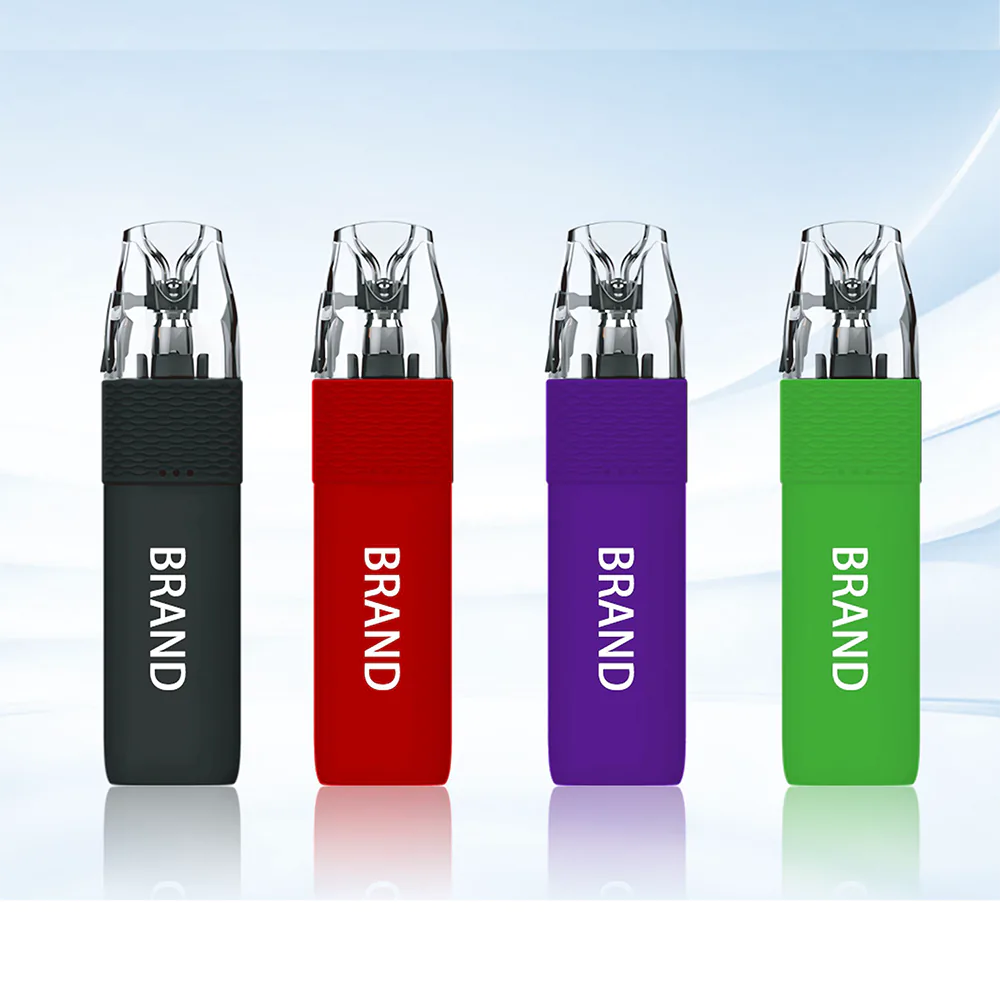
A refillable pod system manufacturer designs and produces the open-system pod hardware that brands sell under their own label — the device body, battery, PCB, and refillable pod with its coil. For brand owners and wholesalers, 2026 is a turning point: as disposable bans spread across Europe, demand is shifting hard toward refillable and rechargeable pod systems, and the brands that can source them quickly are the ones winning shelf space.
This guide covers what a refillable pod system is, why the category is growing, what separates a capable OEM/ODM factory from a trader, and how to start a custom pod project.
Key takeaways
- The global pod-vape market sits in the high single-digit billions (USD) in 2026 and is forecast to keep growing into the 2030s.
- Refillable / open-system pods now make up the largest share of the e-liquid hardware market — roughly 56–63% depending on the source.
- Europe’s disposable-vape bans (UK ban effective June 2025) are the single biggest driver pushing brands from disposables to refillable pod systems.
- When choosing a manufacturer, weigh five things: MOQ flexibility, customization depth, regulatory/TPD support, quality-control process, and lead time.
- GG-Vape produces open-system refillable pods in Dongguan with MOQs from 1,000 pcs, 20–25 day lead times, and TPD documentation support.
What is a refillable pod system?
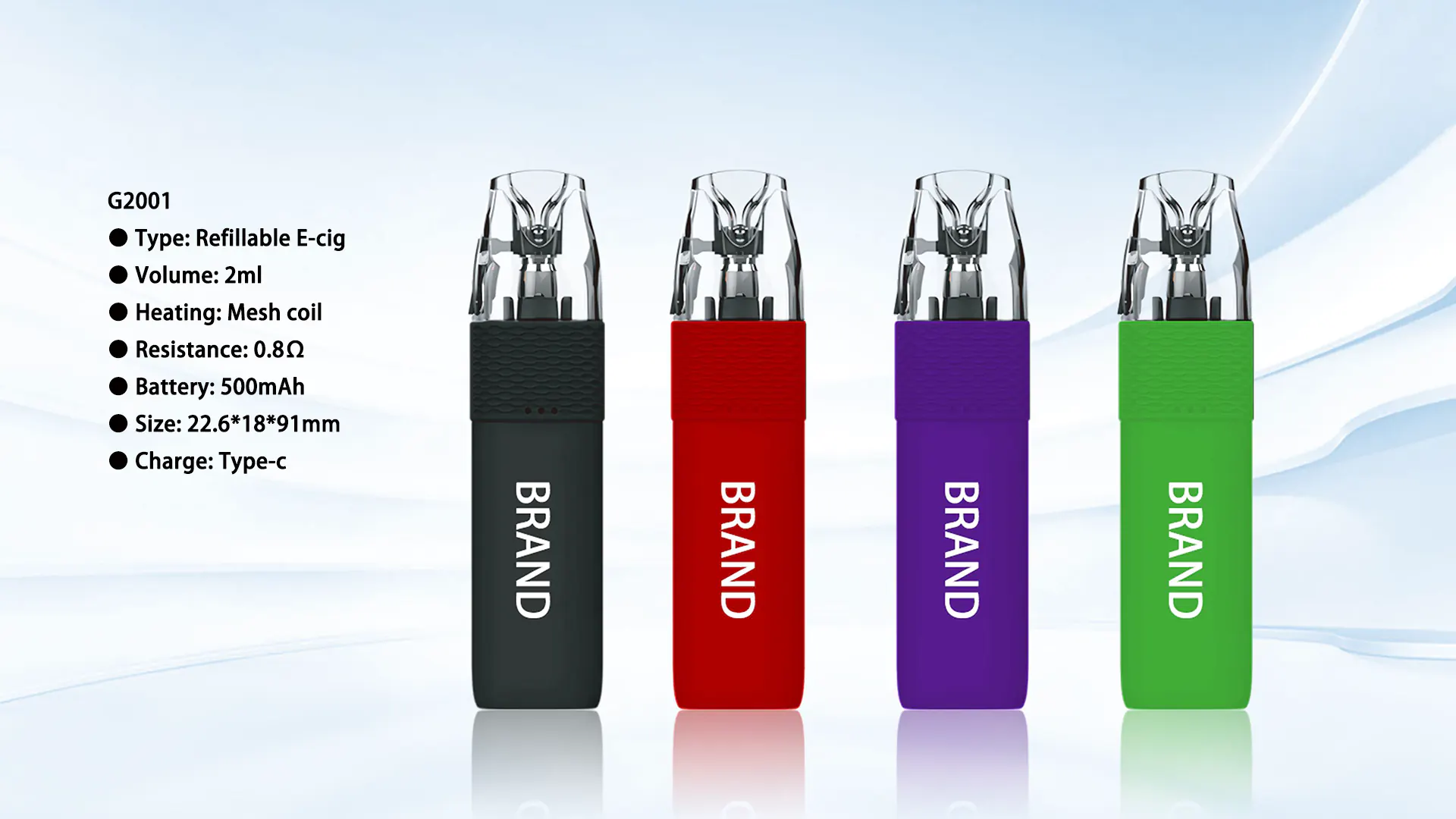
A refillable pod system is a compact, rechargeable vape that uses a removable pod cartridge instead of a fixed tank. The user fills the pod with their own e-liquid, clicks it into the device, and recharges the battery over and over. This is the “open system” category — distinct from closed (pre-filled, sealed) pods and from single-use disposables.
For a manufacturing brief, the category splits three ways:
- Open-system pods — refillable by the end user; the most flexible and the fastest-growing segment.
- Closed-system pods — pre-filled, proprietary pods sold as consumables; higher recurring revenue but more regulatory weight.
- Disposable pods — single-use; increasingly restricted in regulated markets.
Knowing exactly which of these you’re commissioning matters, because the tooling, compliance path, and per-unit economics are different for each.
Why pod systems are the smart OEM bet in 2026
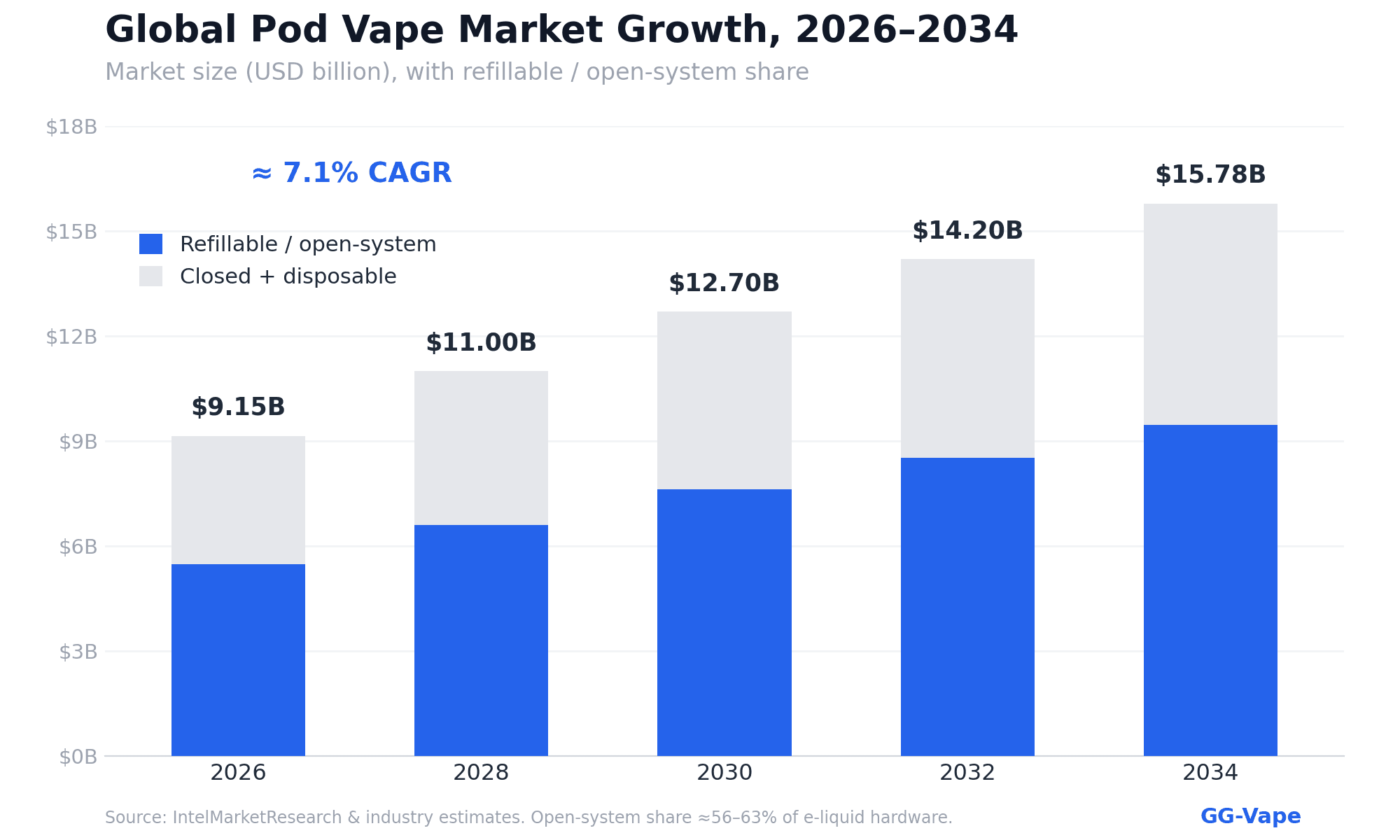
The market is large and still growing, and the momentum is clearly behind refillables. Independent researchers size the global pod-vape market in the high single-digit billions of dollars for 2026 — IntelMarketResearch values it at roughly USD 9.15 billion in 2026, rising to about USD 15.78 billion by 2034 (≈7.1% CAGR), while other firms project faster growth in the 10–12% range over the decade. The exact number varies by methodology, but every major estimate points the same direction: sustained, multi-year expansion.
Within that market, refillable hardware is no longer the niche choice — it’s the mainstream one. Open-system devices are projected to hold around 56% of the e-cigarette category in 2026, and refillable products the largest share (~63%) of the e-liquid hardware market, driven by their lower running cost for end users and their flexibility on flavor and nicotine strength.
The decisive driver for brand owners, though, is regulation. The UK’s ban on single-use disposable vapes took effect in June 2025, and similar restrictions are tightening across the EU. The market responded immediately — major brands launched refillable and interchangeable-pod replacements (for example FUMOT’s MATE POD and RELX’s INFINITY 2 rechargeable system) specifically to keep selling into markets where disposables were being pulled. For anyone building or expanding a vape brand, the takeaway is simple: a refillable pod system is now the compliant, future-proof core product, and Asia-Pacific — led by China’s manufacturing base — remains the fastest-growing supply region.
Closed vs open vs disposable: what should you manufacture?
| Factor | Open-system (refillable) | Closed-system (pre-filled) | Disposable |
|---|---|---|---|
| End-user cost over time | Lowest | Medium | Highest |
| Recurring revenue for brand | E-liquid / pod sales | High (proprietary pods) | Per-unit only |
| Regulatory exposure (EU/UK) | Moderate | Higher (filled product) | Highest / banned in some markets |
| Customization potential | High | High | High |
| Best fit for | Brands wanting a durable flagship | Brands wanting a razor-and-blade model | Markets where still permitted |
For most brands entering or defending a regulated market in 2026, an open-system refillable pod is the safest commercial anchor, often paired with a closed-pod line for recurring revenue.
What to look for in a refillable pod system manufacturer
Not every supplier that quotes you is a factory. Use these five criteria to separate a real OEM/ODM manufacturer from a trading middleman:
- MOQ flexibility. Can they run small first batches so you can test a market without over-committing capital? Low per-flavor / per-model MOQs are a sign of genuine in-house production control.
- Customization depth. True ODM means more than a logo sticker. Look for logo printing and engraving, body colors and finishes, packaging design (box, insert, warning labels), and spec-level changes — coil resistance, liquid capacity, battery, airflow.
- Regulatory & compliance support. For Europe you need a partner who understands TPD and can supply the documentation and registrations your market demands, not just hardware.
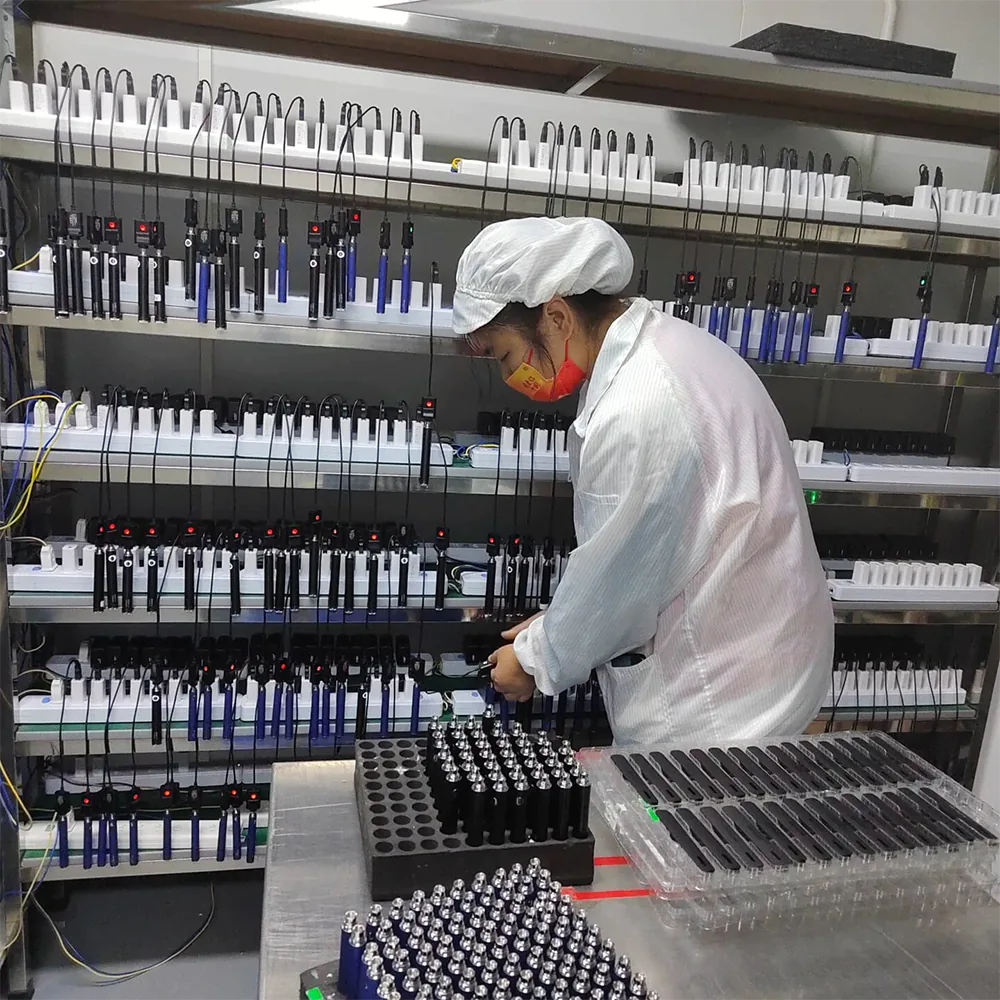
- Quality-control process. Ask for the actual QC stages and R&D test regime. A staged inspection process (incoming materials → in-line → final) and reliability testing (leak/seal, draw resistance, temperature, transport) is what keeps return rates down.
- Lead time & logistics terms. Confirmed production windows and flexible shipping terms (EXW / FOB / DDP) tell you whether they can actually deliver on schedule.
GG-Vape’s refillable pod manufacturing capability
GG-Vape is a Dongguan-based vape OEM/ODM manufacturer with over a decade of production experience serving international brands. The factory runs the full process under one roof — mold development, injection molding, coil assembly, filling, packaging, and final QC — across open-system refillable pods, rechargeable pod systems, and DTL/MTL formats.
Production at a glance:
- MOQ from 1,000 pcs per flavor/model — built for brands testing new markets or limited editions
- 20–25 day production cycle from confirmed order
- 4-stage quality inspection: IQC → FQC → IPQC → OQC
- R&D testing: negative pressure, high/low temperature, cold-hot shock, simulated transport, puff-count verification, draw resistance, leak & seal testing
- 30+ product models, ~1,000,000-unit annual capacity
- 27+ TPD registrations supported for EU/UK market entry
- Shipping: EXW, FOB, or DDP
A representative open-system unit is the 3ml Transparent Refillable Pod (A28): a 3.0 ml refillable pod with a 0.7 Ω mesh coil, 12–15 W output, 550/800 mAh battery options, and a transparent “visible-tech” casing — fully customizable down to internal PCB branding and LED color. It’s a good example of the open-system, modern-aesthetic hardware that performs well in markets transitioning away from disposables.
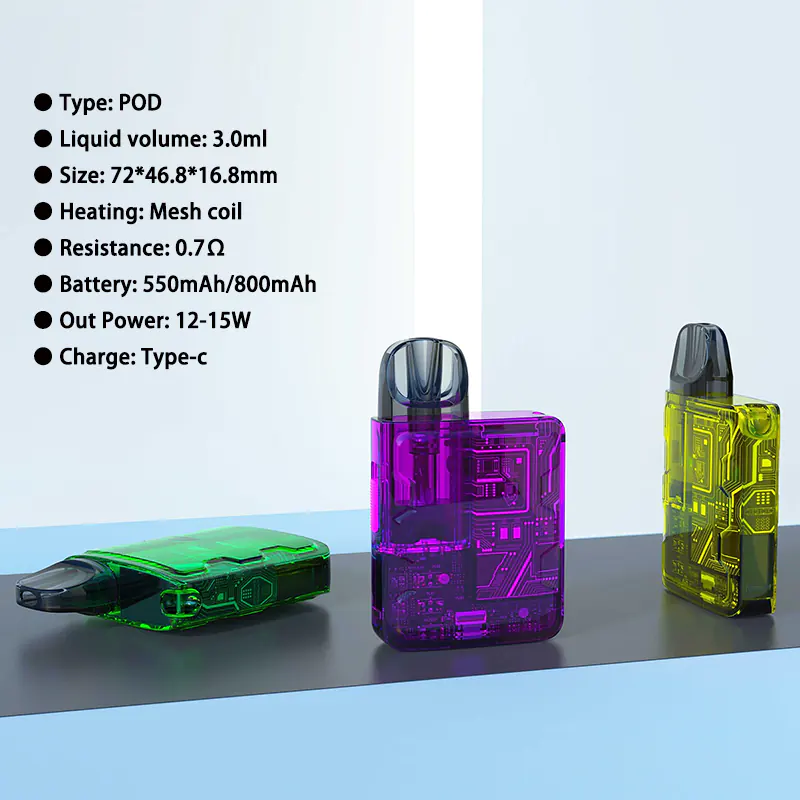
Whatever you commission, customization covers logo printing and brand engraving, body colors and exclusive colorways, full packaging design, and product specs (coil type, resistance, liquid capacity). Browse the full product range to see current open-system and rechargeable options.
How to start an OEM pod project
The path from idea to delivery is four steps:
- Share your requirements. Tell the factory your target product, quantity, and market. (GG-Vape replies within 12 hours.)
- Sample & evaluation. Receive samples to test quality, flavor, and form factor before committing.
- Confirm specs & packaging. Lock in logo, colors, packaging design, and compliance documents.
- Production & delivery. 20–25 day production, then ship on your preferred EXW / FOB / DDP terms.
Ready to scope a refillable pod project? Request a quote with your target market, product type, and estimated volume to get MOQ, pricing guidance, and lead time.
Frequently asked questions
What is the minimum order quantity for a custom refillable pod system?
GG-Vape’s MOQ starts at 1,000 pcs per flavor or model, which lets brands test a market or run a limited edition without large upfront commitments.
How long does production take?
The standard production cycle is 20–25 days from a confirmed order, after sample approval and spec sign-off.
Can you support TPD registration for the EU/UK?
Yes — GG-Vape supports EU/UK regulatory compliance from product design through documentation and has supported 27+ TPD registrations to date. Buyers remain responsible for compliance in their specific market.
What can be customized on an OEM pod system?
Logo printing and engraving, body colors, surface finish and colorways, packaging (box, insert, warning labels), and product specs such as coil resistance, liquid capacity, and battery — plus flavor development for filled products.
Open system or closed system — which should I choose for Europe?
Open-system refillable pods are the more flexible, future-proof anchor as disposable bans spread; many brands pair them with a closed-pod line for recurring pod revenue. Confirm the right path for your specific market with compliance counsel.
Can I get samples before placing a bulk order?
Yes. Samples are provided in step two so you can evaluate quality, flavor, and form factor before committing to production.
GG-Vape is a B2B vape OEM/ODM manufacturer serving trade professionals only. Products are intended for adults of legal age; nicotine is an addictive substance. Buyers are responsible for regulatory compliance in their own markets. For more industry guides, visit Industry Insights.