



Industry Insights
DTL Vape OEM: A Sourcing Guide for Sub-Ohm Devices in 2026

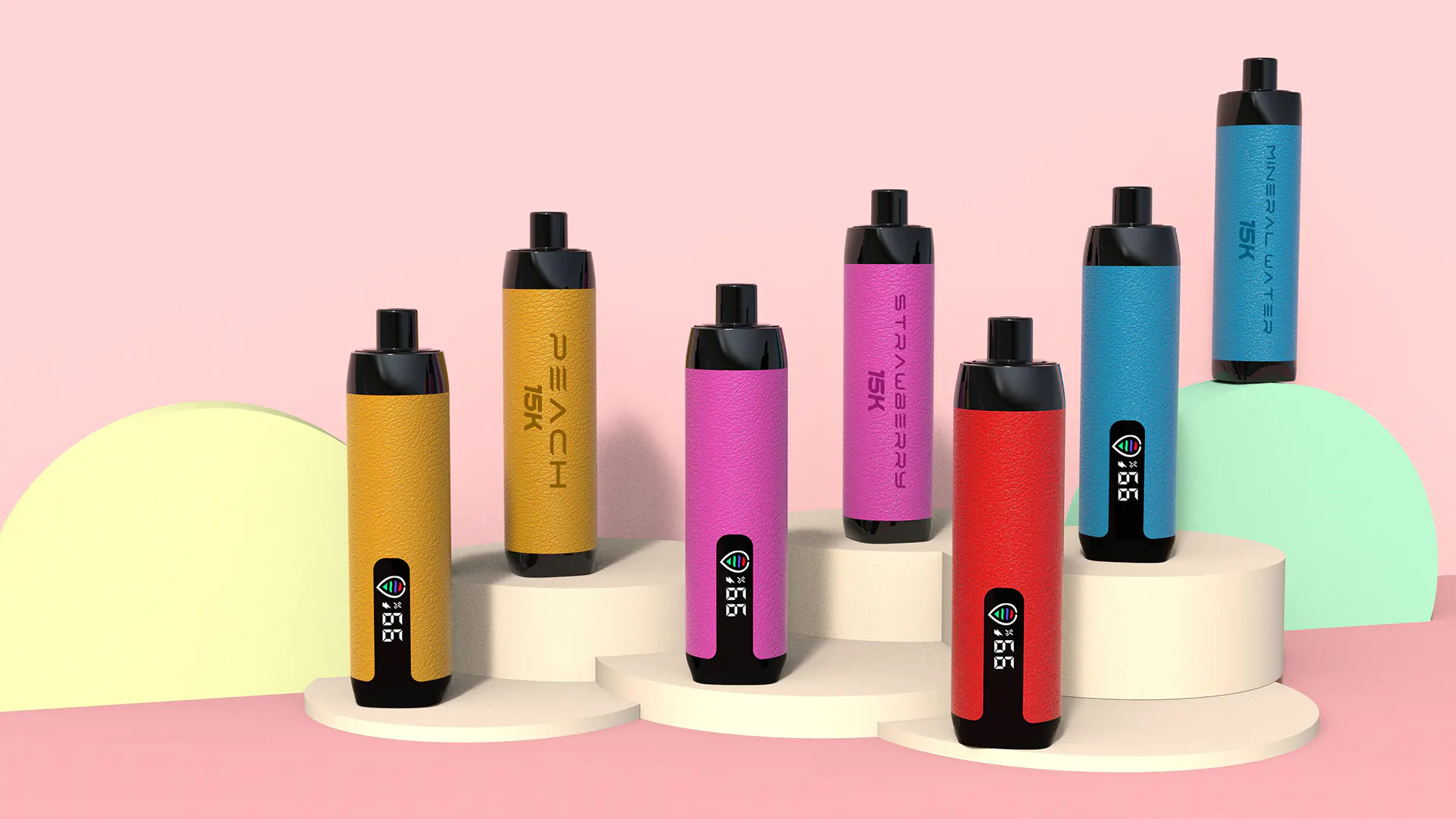
DTL vs MTL: The Complete OEM Sourcing Guide for Sub-Ohm Vape Manufacturing
While 2ml MTL devices dominate the EU and UK market under TPD regulations, DTL vapes are driving a different — and rapidly growing — segment in the Middle East, Southeast Asia, and markets without capacity restrictions.
If you are a brand owner, distributor, or importer considering a sub-ohm product line, this guide covers the technical specs, coil options, and OEM considerations that matter most when placing an order with a Chinese manufacturer.
What Is DTL Vaping — and Why Does It Matter for Your Product Line?
DTL stands for Direct-to-Lung. Unlike MTL (Mouth-to-Lung) devices that simulate a cigarette draw, DTL devices allow the user to inhale vapour directly into the lungs, producing significantly larger clouds and more intense flavour.
The hardware difference is straightforward. DTL devices use lower-resistance coils (typically 0.3–0.8Ω), higher wattage, and larger liquid capacity — usually 6ml to 18ml per device. They pair best with high-VG e-liquids (70/30 or higher) that produce thick, smooth vapour.
From a sourcing perspective, DTL products serve a different customer than your 2ml TPD line. They appeal to experienced vapers, cloud enthusiasts, and flavour-focused users who prioritise performance over portability. Understanding this distinction is important because it affects everything from coil selection to packaging design.
DTL vs MTL: Key Differences That Affect Your OEM Order
Not sure which direction to take? Here is a practical comparison from an OEM sourcing perspective:
| Specification | MTL Devices | DTL / Sub-Ohm Devices |
|---|---|---|
| Coil resistance | 1.0–1.6Ω | 0.3–0.8Ω |
| Liquid capacity | 2ml (TPD) or 3–5ml | 6–18ml |
| VG/PG ratio | 50/50 or 60/40 | 70/30 or higher |
| Vapour volume | Low to moderate | High — visible clouds |
| Draw style | Tight, cigarette-like | Open, airy airflow |
| Target user | Beginners, smokers switching | Experienced vapers, cloud chasers |
| Primary markets | EU/UK (TPD), regulated markets | Middle East, SEA, Americas, Africa |
If your brand already sells MTL devices in the EU, adding a DTL line gives you a product for markets where there is no 2ml cap — without building an entirely new supply chain.
Coil Technology: What to Specify in Your OEM Order
The coil is the single most important component in a DTL device. It directly determines flavour intensity, cloud size, and device longevity. Here are the three main types used in modern DTL manufacturing:
Mesh Coil (0.5Ω)
A flat strip of metal with a mesh pattern that heats e-liquid across a wider surface area than traditional round wire. Mesh coils deliver more consistent flavour, faster ramp-up time, and a smoother draw. This is the current industry standard for mid-range DTL devices.
Best for: balanced performance — good flavour with solid cloud production.
Dual Mesh Coil (0.6Ω)
Two mesh strips working in parallel, effectively doubling the heating surface. This produces denser vapour and richer flavour compared to single mesh, but consumes liquid faster and requires higher battery output.
Best for: premium positioning — devices marketed on flavour intensity and cloud performance.
Double Mesh (0.8Ω × 2)
A configuration used in open-system DTL devices where two separate coils operate simultaneously. This is less common in disposables but increasingly popular in refillable DTL pod systems, where users expect a more intense experience.
Best for: refillable DTL systems targeting advanced users.
When placing your OEM order, specifying the coil type is essential. A 0.5Ω mesh coil and a 0.6Ω dual mesh coil will produce noticeably different results — and attract different customers.
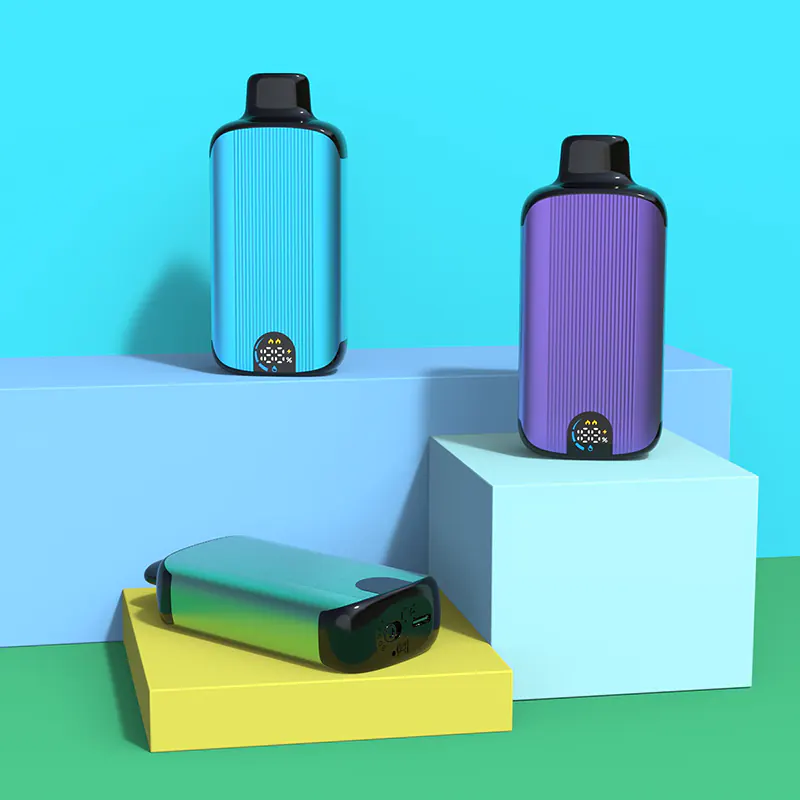
Five DTL Formats Available for OEM
DTL is not a single product — there are several formats to choose from depending on your target market and price point:
1. High-Capacity DTL Disposable (16–17ml)
The most popular DTL format in non-regulated markets. Pre-filled, ready to use, no refilling required. Ideal for convenience stores, kiosks, and wholesale distribution.
Typical specs: 16ml capacity, 600mAh Type-C rechargeable, 0.5Ω sub-ohm mesh coil. Compact form factor around 30×120mm.
Relevant models: A38-1 Cloud Chasing Vape, A67 High-Power DTL Vape, A38-2 DTL Vape
2. DTL Big Cloud Disposable (17ml)
A wider-body design with 0.6Ω dual mesh coils for maximum vapour density. Slightly larger form factor (103×46mm) but delivers the most intense cloud experience in a single-use device.
Relevant model: A21 DTL Disposable
3. Open System DTL / RDL (6ml Refillable)
A refillable pod system that bridges the gap between DTL and RDL (Restricted Direct-to-Lung). Users fill their own liquid, which lowers ongoing costs and appeals to experienced vapers who prefer specific e-liquid brands. Uses 0.8Ω double mesh coils and a larger 850mAh battery.
Relevant model: A46 Open System Vape
4. Custom DTL Configurations
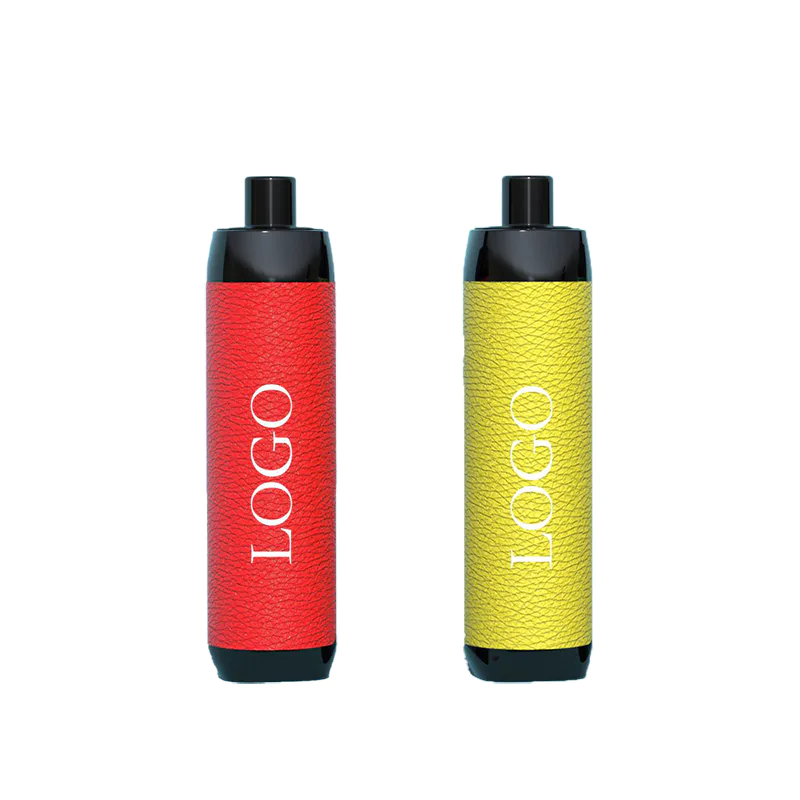
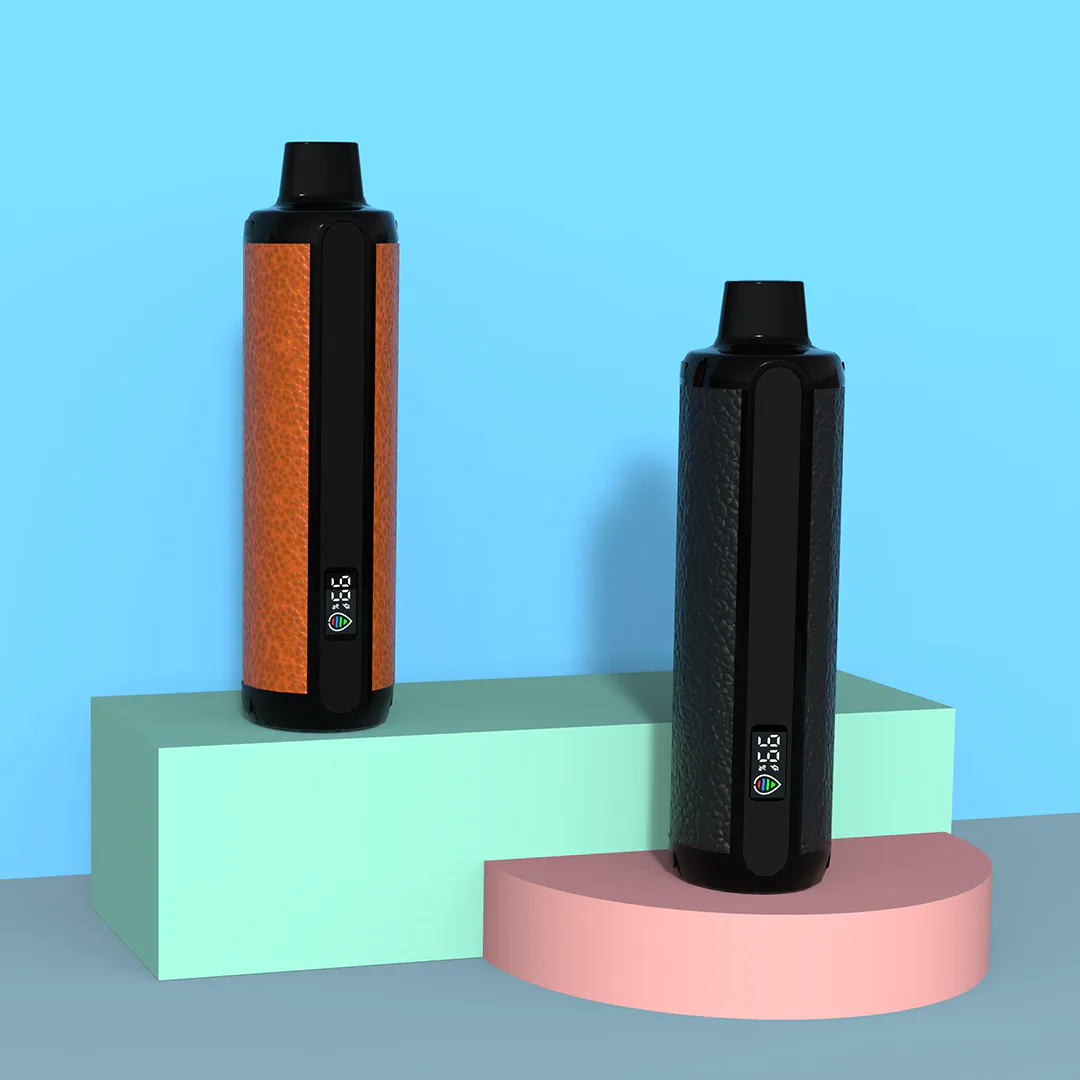
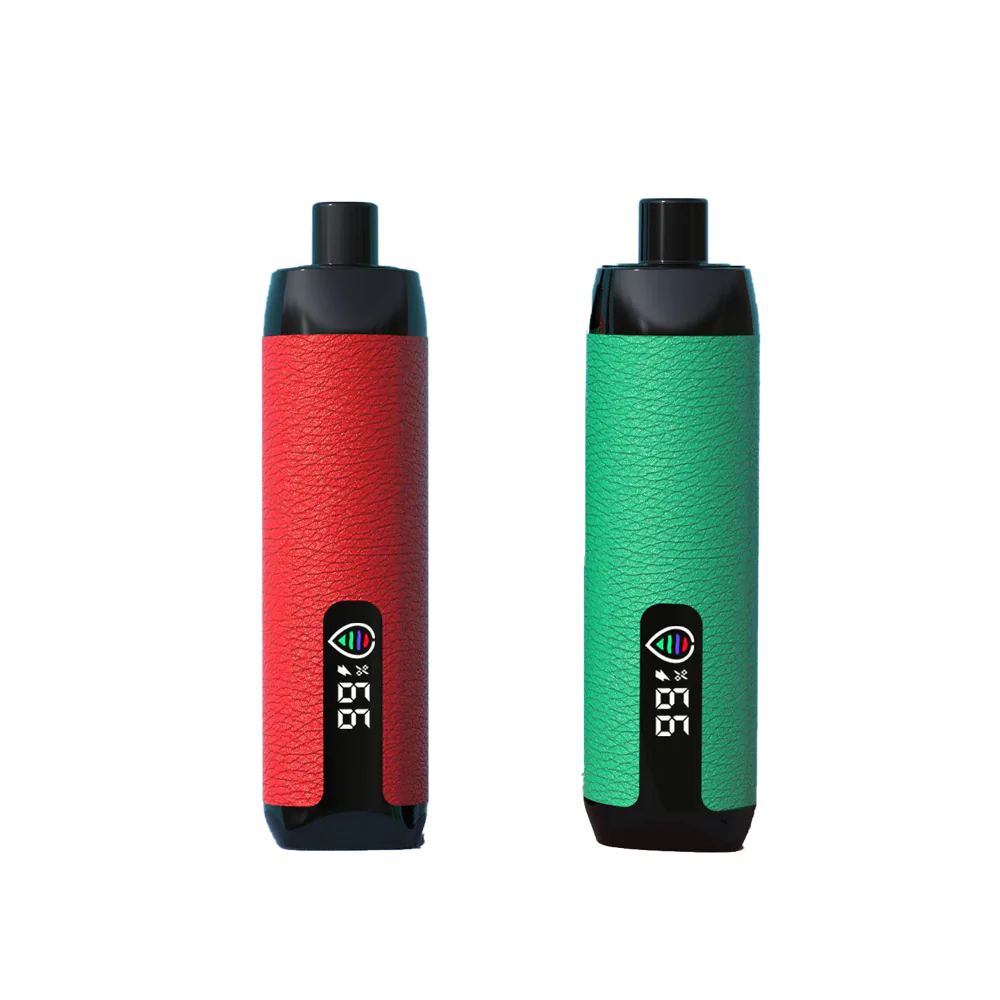
Any of the above can be modified through OEM. Typical customisations include coil resistance adjustment, airflow tuning, body colour and surface finish, and logo/brand printing. Private mold development is also available for brands that need a unique form factor.
E-Liquid Pairing: What Works With DTL Hardware
DTL devices perform best with high-VG e-liquids. If you are ordering hardware and liquid together, here are the recommended specifications:
VG/PG ratio: 70/30 is the standard for DTL. Higher VG produces smoother, thicker vapour. Avoid 50/50 blends — they are designed for MTL devices and will produce a harsh throat hit in a sub-ohm coil.
Nicotine strength: DTL users typically vape at lower nicotine levels — 0mg, 3mg, or 6mg freebase. Nicotine salt at 20mg+ is generally not suitable for sub-ohm devices due to the higher vapour volume.
Flavour profiles: Fruit, dessert, and beverage flavours tend to perform best in DTL devices because the larger coil surface area amplifies complex flavour notes. Simple menthol and tobacco profiles are more common in MTL.
We offer coordinated hardware + e-liquid OEM, so your DTL devices and matching liquids can be produced and shipped together under a single order.
Markets Where DTL Is Growing Fastest
DTL vapes are not subject to TPD capacity limits, which means they are primarily sold in markets outside the EU/UK regulatory framework:
Middle East — Saudi Arabia, UAE, and surrounding GCC countries have a strong DTL culture. High-nicotine salt in pod systems and high-VG freebase in DTL disposables are both popular. Fruit and mint flavour profiles dominate.
Southeast Asia — Indonesia, Philippines, Malaysia, and Thailand are high-growth markets where disposable DTL devices are replacing traditional smoking. Price sensitivity is high, so competitive unit costs are essential.
Americas — The US and Latin American markets lean heavily toward high-capacity disposables. Cloud performance and flavour variety are primary purchase drivers.
Africa — Emerging market with growing demand for affordable DTL disposables. Distribution is typically through importers and wholesale channels.
What to Look for in a DTL OEM Manufacturer
If you are evaluating factories for DTL production, these are the questions that matter:
- Coil consistency — Ask how they quality-control coil resistance. A 0.5Ω spec that varies ±0.1Ω between batches will produce inconsistent performance and customer complaints. Look for IQC (Incoming Quality Control) and IPQC (In-Process Quality Control) procedures.
- Liquid compatibility testing — Not all coils perform equally with all VG/PG ratios. A good factory will test your specific e-liquid with the coil before mass production.
- Battery safety — DTL devices draw higher current than MTL. Ask about battery cell sourcing, short-circuit protection, and whether devices have passed relevant safety testing (CE, RoHS).
- Type-C charging — All modern DTL devices should use USB Type-C. If a factory is still offering Micro-USB, their product line is outdated.
- Customisation depth — Can they adjust coil resistance, airflow, body materials, and packaging? Or are they only selling fixed-spec products off the shelf?
DTL Vape OEM/ODM: Frequently Asked Questions
Q1: What is the minimum order quantity (MOQ) for DTL vape OEM at GG-VAPE? A1: The standard MOQ for custom DTL / sub-ohm vape manufacturing at our Dongguan factory is 1,000 pieces per flavor. This low MOQ profile is optimized for brand owners and regional distributors who want to test new non-regulated markets without high inventory risks.
Q2: Can GG-VAPE customize the coil resistance and airflow for sub-ohm devices? A2: Yes. As a fully integrated vape manufacturer, GG-VAPE provides deep engineering customization. We can adjust the single/dual mesh coil resistance (ranging from 0.3Ω to 0.8Ω) and fine-tune the airflow intake system to perfectly match your high-VG e-liquid formulation and throat-hit preferences.
Q3: How long is the production turnaround time for a custom DTL vape order? A3: Our typical mass production cycle for OEM/ODM DTL devices is 20 to 25 days from the date the custom logo, packaging artwork, and technical specifications are officially confirmed.
Ready to Source DTL Hardware?
GG-VAPE manufactures five DTL / sub-ohm models in Dongguan, China — all available for full OEM/ODM customisation. We handle hardware production, e-liquid formulation, packaging design, and compliance documentation under one roof.
Whether you are adding DTL to an existing product range or launching a new brand, we can help you move from concept to shipment in 15–20 days.
Get in touch:
- Email: [email protected]
- WhatsApp: +86-134-1240-5657
- Website: www.gg-vape.com
Related reading: