



Industry Insights
Empty Vape Pods Wholesale: How to Source Compliant Stock in 30 Days

By Leo Chen, Factory Director, GG-VAPE
Most brands that come to us about empty pods have already paid for one lesson. They ordered filled disposables first, found they could not legally sell them in the target market, and are starting over.
Empty pod sourcing looks simpler from the outside. No liquid, no nicotine, fewer compliance layers. What actually decides whether your brand scales is the sequence you follow at this stage — what you specify, what you demand in writing, and in what order.
This guide walks that sequence: how to source empty vape pods and cartridges at wholesale, which requirements still apply to unfilled hardware, and how to test whether a supplier’s lead time will hold at your volume.
Step 1: Decide Which Product You Are Actually Buying
Two product types get called “empty pods,” and confusing them sends you into the wrong supplier conversation entirely.
Empty replacement pods are filled by the retailer or the end user. They slot into an existing pod device, and you sell them as hardware. Lower regulatory load, because you are not placing a nicotine product on the market.
Empty OEM pod cartridges are filled before distribution, either at a filling facility or by you. They are the hardware half of a private-label filled product, so the construction has to suit the TPD Article 20 format from the start. The compliance obligation follows whoever does the filling.
Settle this before you send a single enquiry. Minimums, lead times, material specifications, and documentation all differ between the two.
Step 2: Understand What Still Applies to Unfilled Hardware
Selling hardware empty does not put it outside the rules. Three things catch buyers unprepared.
Material and electrical requirements do not switch off. RoHS restrictions cover electronic hardware whether or not it holds nicotine. CE requirements apply to the device. A pod with a heating element still has to meet electrical safety standards unfilled. Ask for the documentation rather than assuming hardware is exempt.
Your coil choice today limits your notification options later. If you plan to fill for EU or UK sale, the coil construction you buy now determines what emissions testing shows when you file through EU-CEG or the MHRA. Coil materials that look fine on inspection can fail heavy-metal emissions testing at the notification stage — after your inventory is already built around that hardware. Decide the coil specification with the filing in mind, not after it.
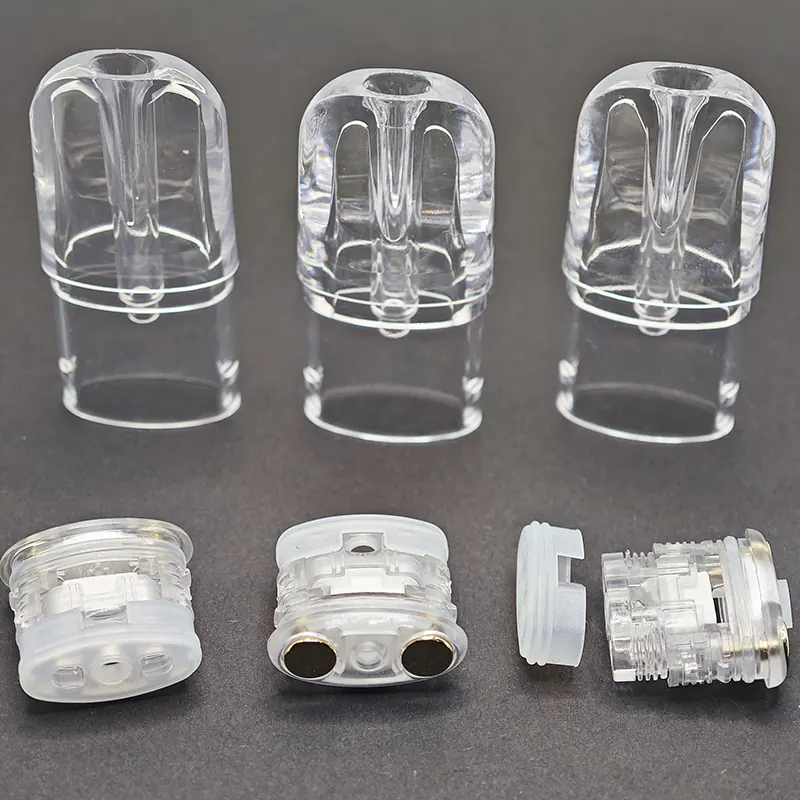
Transport integrity needs its own evidence. Empty pods still have to survive air freight, where pressure changes stress the seal. Ask for the sealing and transport test report before the goods ship, not after a container arrives with moisture damage and no paperwork to support a claim.


Step 3: Test the Lead Time Claim Before You Test the Price
“Low MOQ” and “fast delivery” are the two most abused phrases in wholesale vape hardware. What they mean depends entirely on who is saying them.
A trading company quoting a low minimum is usually offering stock it does not hold yet. It aggregates orders and buys from a factory once the volume adds up. The five-day delivery estimate holds only if the stock happens to exist that week. Often it does not.
A manufacturer with standing stock of its own certified models is what a genuine short lead time looks like. Your order ships from finished inventory rather than triggering a production run.
A custom run follows different logic. The minimum reflects the point where tooling and setup are viable for both sides. A quote far below that for something described as fully custom should prompt one question: what part of this is actually custom?
The test that separates them takes one email. Ask for the current stock quantity of the exact SKU, by model code, and the date goods would be ready if you confirmed today. A manufacturer holding stock answers with a number and a date. Everyone else answers with a range.
At GG-VAPE, standard empty pod SKUs ship from held stock within 3–5 days. Custom hardware built to your own housing runs Typically 25–30 Days after artwork and specification sign-off, and a newly tooled housing adds a 60–75 day development stage before that clock starts. Minimums on empty pods stay flexible — send your configuration and volume and we will tell you what works. For custom hardware, runs start at 10,000 units per model, and within that total each color needs at least 2,000 units, because a color change means a separate injection run.
Step 4: Lock the Coil Specification
Coil choice affects emissions results, batch-to-batch consistency, and return rates, so it belongs in the brief rather than in a later conversation. For EU and UK-bound product, ceramic is the specification we build most often, because emissions results hold steadier across a batch and a steady result is what your notification file has to describe.
If a supplier argues that another coil type is equivalent, ask for the emissions data for that coil in that exact pod configuration. Data settles it; opinion does not.
The full comparison — ceramic, mesh, and quartz, with capacity and compatibility — sits in our empty vape cartridge buyer’s guide. If you are still deciding whether this category fits your range at all, why empty replacement pods are growing covers the demand side.
Step 5: Demand the Documentation Before the Goods Move
What should arrive with any wholesale empty pod shipment bound for EU or UK markets:
- CE declaration of conformity referencing the specific SKU
- RoHS test report
- MSDS for the coil and housing materials
- Heavy-metal emissions test report for the coil
- Sealing and transport test report
- Bill of materials for the housing and coil assembly
If your current supplier has never sent this unprompted, request it today. How fast it arrives tells you whether the file already exists or has to be assembled after you ask.
Step 6: Run the 30-Day Sequence
Days 1–2. Order confirmed, documentation package dispatched. Check coil spec, bill of materials, and CE and RoHS documents against your destination requirements now, while there is still time to change something.
Days 3–7. Air freight for standard stock orders. Sea freight adds 30–40 days and only pays off on volume restock.
Days 7–10. Customs clearance. With a complete file, EU and UK customs usually clear compliant hardware in 3–7 working days.
Days 10–14. Goods receipt and incoming QC. Pull a sample and test it against the spec. Flag any gap against the documentation the same day.
Days 14–30. Filling, packaging, and distribution prep if you are producing a filled product. Selling hardware directly, you are on shelf by day 14.
Brands that miss the 30-day window are almost always waiting on paperwork — chasing a supplier for documents that should have travelled with the goods, or answering a customs query a complete file would have prevented.
Working With GG-VAPE on Empty Pod Supply
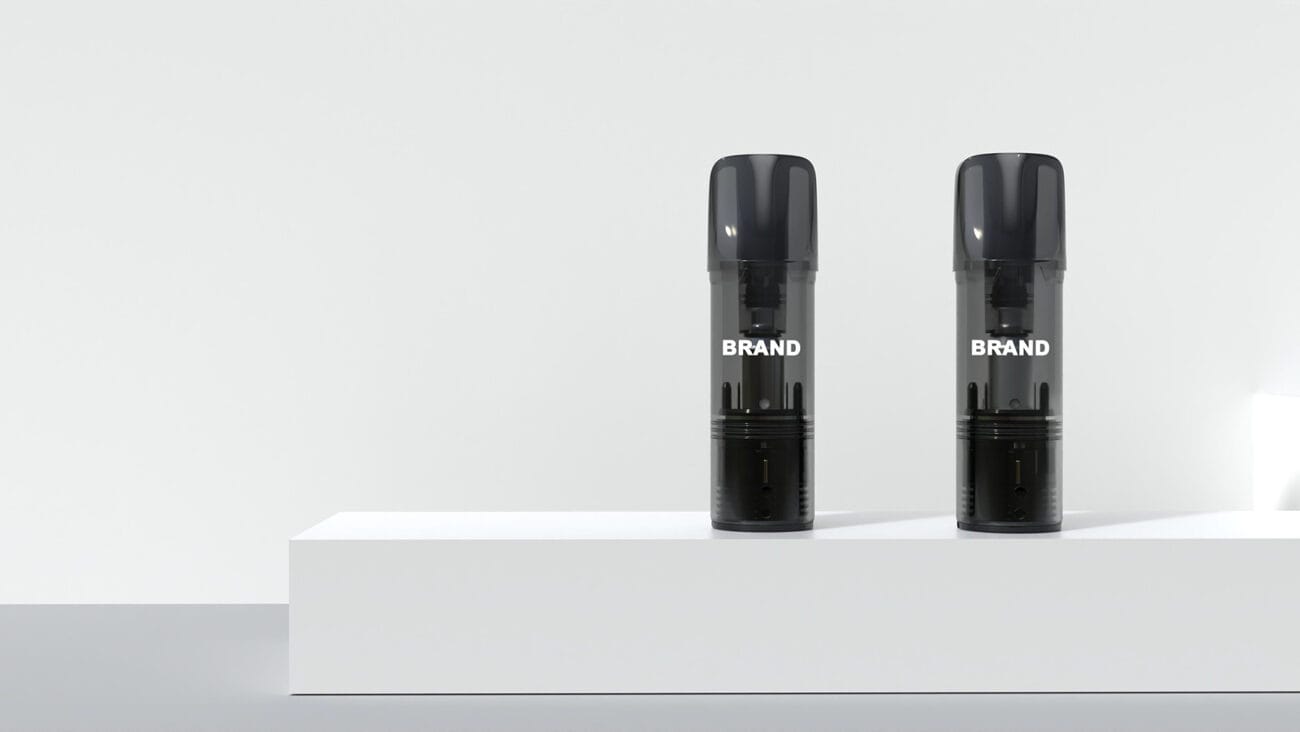
Standard empty pod stock ships within 3–5 days. Custom configurations — specific coil resistance, casing geometry, branded mouthpiece profiles — run Typically 25–30 Days after sign-off.
Every order ships with its documentation package for EU and UK market entry. Confirming what your destination market requires stays with you and your importer; having the evidence ready is our part.
View 2ml ceramic coil empty pods → |
OEM and ODM services →
🔗 Related Reading
- How to Choose a Vape OEM Manufacturer: The Complete Guide
- Empty Vape Cartridge Buyer’s Guide: Coil, Capacity, Compatibility
- Why Empty Replacement Pods Are the Fastest-Growing Category
- EU & UK Vape Compliance 2026: TPD, EPR and OEM Guide
For B2B trade enquiries only. Adults 18+ only.