


Industry Insights
Empty Vape Pods Wholesale: How to Source Compliant Stock, Hit Low MOQs, and Get to Market in Under 30 Days

By Devid Chen, Factory Director, GG-VAPE
Most brands that come to us asking about empty pods have already made one expensive mistake: they ordered filled disposables first, realized they couldn’t legally sell them in their target market, and are now starting over. Empty pod sourcing looks simpler on the surface — no e-liquid, no nicotine, fewer compliance layers. In practice, the sourcing decisions you make at this stage determine whether your brand can scale or gets stuck waiting on documentation every time you want to restock.
This guide covers how to source empty vape pods and cartridges at wholesale, what compliance requirements apply even to unfilled hardware, and how to evaluate whether a supplier’s “low MOQ” claim will actually hold at your volume.
What “Empty Pods” Actually Means in a B2B Context
The category covers two distinct product types that get conflated constantly, and mixing them up leads to wrong supplier conversations:
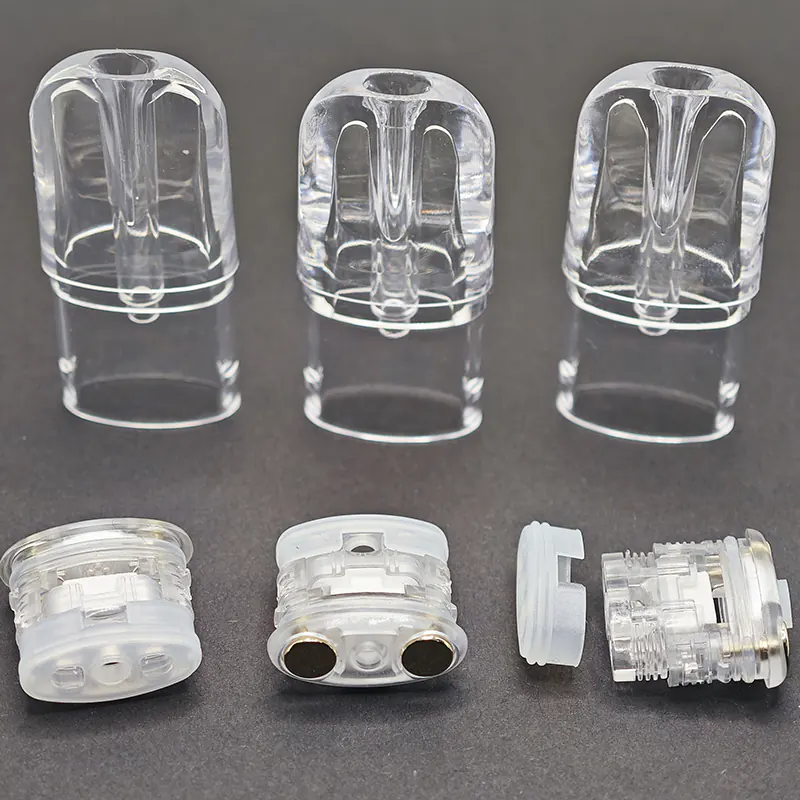
Empty replacement pods are designed to be filled by the end user or brand — typically open-system refillable pods that slot into an existing pod mod or closed pod kit. The brand supplies the hardware; the consumer or retailer fills it. These are the lower-complexity option from a regulatory standpoint because you’re not selling a nicotine product — you’re selling hardware.
Empty OEM pod cartridges are designed to be filled at the factory or by the brand owner before distribution — essentially the hardware component of a private-label filled product. These require the same TPD-compliant construction as a finished filled product because they’ll ultimately contain nicotine e-liquid. The compliance burden sits with whoever does the filling.
Know which one you need before you start supplier conversations. The MOQ, lead time, material specifications, and documentation requirements are different for each.
The Compliance Layer That Catches Empty Pod Buyers Off Guard
Hardware sold empty is not automatically outside the regulatory framework. Three areas catch brand owners unprepared:
Material compliance still applies. RoHS restrictions on hazardous substances cover electronic hardware regardless of whether it contains nicotine. CE marking requirements apply to the device. If your pods contain a heating element — even unfilled — the hardware still needs to meet electrical safety standards. Ask for the documentation before you assume “it’s just hardware.”
Coil specification locks in your future TPD options. If you’re buying empty pods to fill for EU/UK sale, the coil type and construction in the hardware you choose now determines what emissions testing will show when you file your EU-CEG or TRPR notification later. Cheap coil materials that pass visual inspection often fail heavy metal emissions tests at the notification stage — after you’ve already built inventory around that hardware. Specify ceramic coils for EU/UK-destined product. It’s not negotiable if you want clean emissions documentation.
Leak-free certification matters for transport. Empty pods still need to demonstrate leak-free integrity during shipping simulation. A pod that holds nothing during production may leak during high-altitude air freight. This sounds minor until you have a shipment arrive with condensation damage and no certification to support a claim.


How to Evaluate MOQ Claims That Actually Hold
“Low MOQ” is the most abused phrase in the wholesale vape hardware market. Here’s what it actually means across different supplier types:
Trading companies advertising low MOQ are typically offering stock they don’t own yet — they’re aggregating orders and sourcing from a factory when they have enough volume. This means your “5-day delivery” estimate only holds if they happen to have stock. It often doesn’t.
Factory direct with standard SKU stock is what genuine low-MOQ supply looks like. The factory holds finished inventory of their certified standard models. Your order ships from existing stock, not from a production run triggered by your order.
Custom OEM has a different MOQ logic entirely. The MOQ threshold on a custom run reflects the minimum quantity at which the tooling and setup costs are economically viable for both parties — typically 5,000–10,000 units per SKU for a pod system. Anything quoted significantly lower for a genuinely custom product should prompt a question about what “custom” actually means in that context.
At GG-VAPE, the distinction is explicit: standard compliant empty pod SKUs ship within 3–5 days from in-house stock. Custom OEM configurations — specific coil specs, custom casing geometry, branded mouthpiece profiles — run on 15–25 day production cycles with MOQs from 5,000 units.
Ceramic vs. Cotton Coil: The Decision That Affects More Than Flavor
For EU and UK market supply, the coil specification in your empty pods affects three things beyond the vaping experience:
Emissions testing outcomes. Ceramic coils produce cleaner emissions profiles than cotton-wick alternatives, particularly on heavy metal content. This matters for EU-CEG notification. Cotton coils with inconsistent wicking materials are the most common cause of heavy metal test failures at the notification stage.
BOM stability. Ceramic coil construction is more standardized — fewer variables in the material composition means fewer surprises if your documentation is audited. Cotton coil construction varies more between batches and suppliers, creating BOM consistency risks.
Consumer return rates. Dry burn on cotton coils — which happens when a pod is used slightly past empty — produces a noticeably unpleasant experience and generates returns. Ceramic coils are more forgiving in this scenario. For brands selling through retail channels where returns are operationally expensive, this is a commercial consideration.
The default specification for any empty pod hardware destined for EU or UK market should be ceramic. If a supplier is pushing cotton as equivalent, ask specifically about their emissions testing data for that coil type in that pod configuration.
What a Reliable Empty Pod Supplier Delivers With Every Order
Documentation that should accompany any wholesale empty pod shipment for EU/UK-bound product:
- CE certificate referencing the specific SKU
- RoHS test report
- MSDS for the coil and pod housing materials
- Coil emissions test report (heavy metals)
- Leak-free simulation test report
- Full BOM with key component suppliers named
If your current supplier has never sent you this documentation unprompted, request it now. The response — and how quickly it arrives — tells you whether the documentation exists or whether it will need to be “prepared” when you ask for it.
Getting From Order to Shelf in Under 30 Days
The fastest legitimate path from wholesale pod order to retail-ready product:
Days 1–2: Order confirmation and documentation package dispatch from supplier. Review coil spec, BOM, and CE/RoHS documents against your target market requirements.
Days 3–7: Shipping for standard stock orders (air freight). Sea freight adds 30–40 days and is only cost-effective for volume restock orders.
Days 7–10: Customs clearance at destination. With complete documentation, EU and UK customs typically clear compliant hardware within 3–7 working days.
Days 10–14: Goods receipt and incoming QC. Test a sample from the batch against the spec. Any discrepancy with the documentation package should be flagged to the supplier immediately.
Days 14–30: Filling, packaging, and distribution preparation if you’re producing a filled product. If you’re selling hardware directly, you’re already at shelf by day 14.
The brands that miss the 30-day window are almost always waiting on documentation — either chasing a supplier for paperwork that should have shipped with the goods, or dealing with a customs query that a complete documentation package would have prevented.
Working With GG-VAPE on Empty Pod Supply
Standard compliant empty pod stock ships within 3–5 days. Custom OEM configurations with specific coil specs, casing geometry, or branded components run on 18–30 day production cycles.
Every order ships with the full documentation package for EU/UK market entry. That’s not an optional add-on — it’s what responsible supply for regulated markets requires.
Contact the GG-VAPE team → Browse the product catalog →
🔗 Related Reading
- How to Choose a Vape OEM Manufacturer: The Complete Guide
- EU & UK Vape Compliance 2026: TPD, EPR and OEM Guide
- How to Launch Your Own Vape Brand in Europe in 2026
For B2B trade enquiries only. Adults 18+ only.